
Family Empowerment Community-Based Organization (F.E.C.B.O) is registered with the office of the District Gender & Social Development Officer (DGSDO) as a self-help Group/Project. It was established in 2009 to support less fortunate people, particularly those living with HIV/ AIDS. By then, the Director Simon Thiongo was serving with Moffat Bible College as an HIV/AIDS advocate.
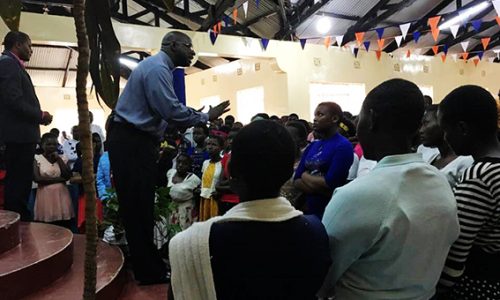
Encouraging Murray Children’s Center
Empowering families. Transforming communities.
Family Empowerment Community-Based Organization (FECBO) is a grassroots initiative dedicated to uplifting vulnerable families through holistic community development programs. We believe that empowered families are the foundation of a thriving society. Join us as we nurture sustainable growth, education, economic empowerment, and social well-being for all.
Get Involved | Donate Now | Our Impact
Objectives
- To share the love of Christ.
- To empower the community and support them to be self-sustaining.
- To train the community to do beneficial farming.
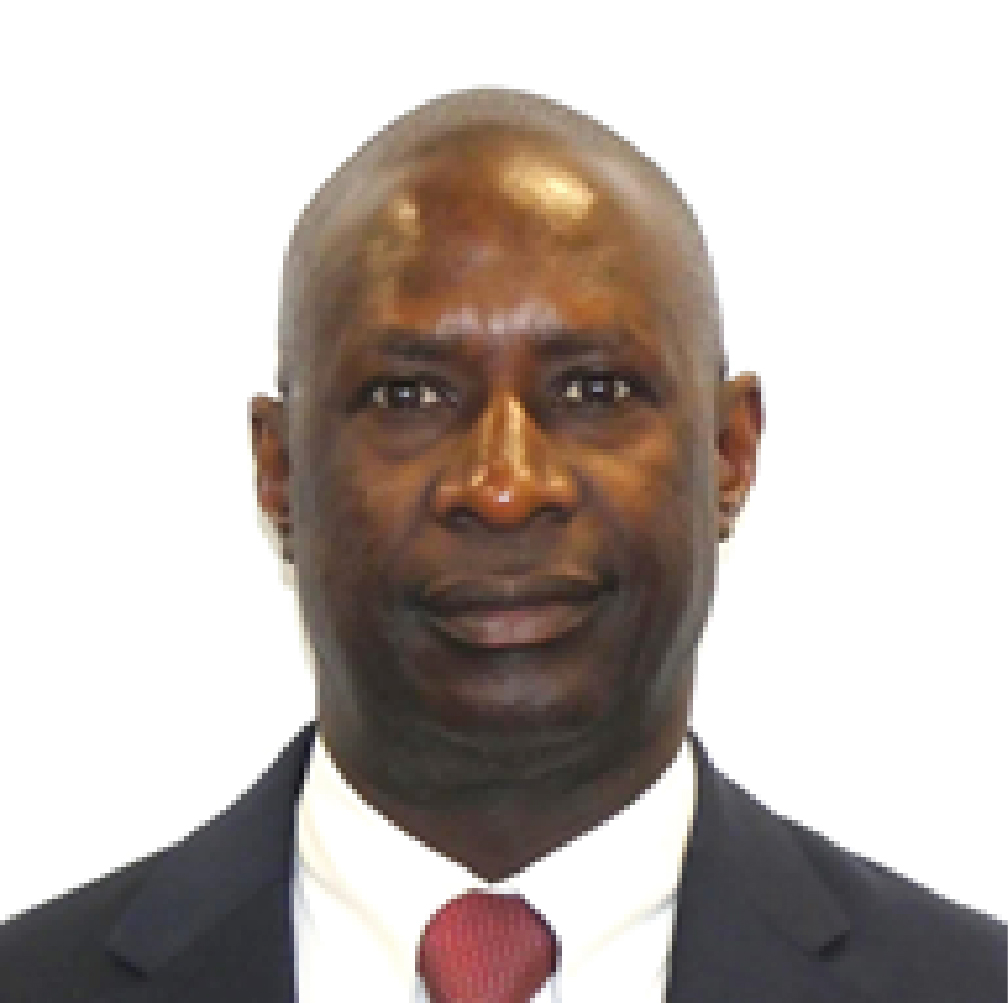
President
Rev. Dr. Simon Thiongo
Rev. Dr. Simon Thiongo is an ordained Priest in the Anglican Church of Kenya. He studied both in Kenya and in the United States. He holds a D.Th. from Moffat Bible College, a BSc. in Youth Ministry Kuyper College, an MDiv from Earlham School of Religion, and a PhD from Asbury Theological Seminary. In all his education, he focused on how the community can be empowered. Having been brought up in a humble background, he spearheaded many programs. The aim was to eradicate poverty. His passion for holistic ministry is evident in many aspects of his life, particularly in his internship with Indiana farmers and the PhD dissertation.
His zeal to empower people was more revealed when he enrolled in the PhD program in Asbury with the subject, ‘The Role of the Church in Poverty Eradication. “He did extensive research in the Kijabe region, Kiambu county. Rev. Simon wanted to know whether Churches were doing holistic ministry. Due to his generous, spirit, he transformed the dissertation into a book. He shared the findings with the community. The book is locally available in bookshops, Churches, and Schools. The book is used both locally and internationally. Since it is an applicable book, it has been recognized by the American Academy of Religion and African Christian Theology. Those who have read the book can attest that it is both academic and well-researched material.
The idea of establishing a community-based organization was a long-time dream. He grew up in dire poverty due to his alcoholic dad, and he always wished that someone could come to their rescue. Unfortunately, no one seemed to care, perhaps because they did not have, or it was “the survival of the fittest. Dr. Simon shares that his village people applied the saying, “Everyone for himself and God for us all.” His struggles to survive and go through the education system speak volumes of someone determined to bring a lasting solution.
After graduating from Moffat Bible College, he served in the Thika Diocese for several years. He later came back to teach in his favorite program, HIV/AIDS. Everyone knew how he loved interacting with people in the community. He empowered many people who still enjoy what he taught them.
The rabbit project prevailed. Rev. Simon was well-known, and he had been featured several times on national television. He spoke in churches, conferences, and schools. Despite the stereotypes and cultural myths about rabbits, Rev. Simon turned a deaf ear to all the heresy and continued to support the community.
To serve effectively, he registered Family Empowerment, a community-based organization with the Kenyan government. The main aim of Garden Church is to use farming as a tool to share the Gospel and empower the community to be self-sustainable. He also established a Barbershop Training Center to provide young people with the skills, initial financing, and equipment needed to start their barbershop businesses. He recently started hosting a virtual summit to encourage the ailing pastors due to toxic Ministry. He is also trying to train fellow pastors to establish a kitchen garden.
His enthusiasm for pastoral ministry, holistic ministry, and liberation theology is evident. At the Garden Church, the teachings comprise three elements: sharing the word of God, collaborative efforts, and concluding with food.
Partnership
We thank God for the partnership with international friends and organizations. Their generous gifts have played a big role in our operations. We are trusting God for more partnerships as we strive to achieve our vision.
We also have some locals who have partnered with us in training and moral support. Their contribution has significantly boosted our program.